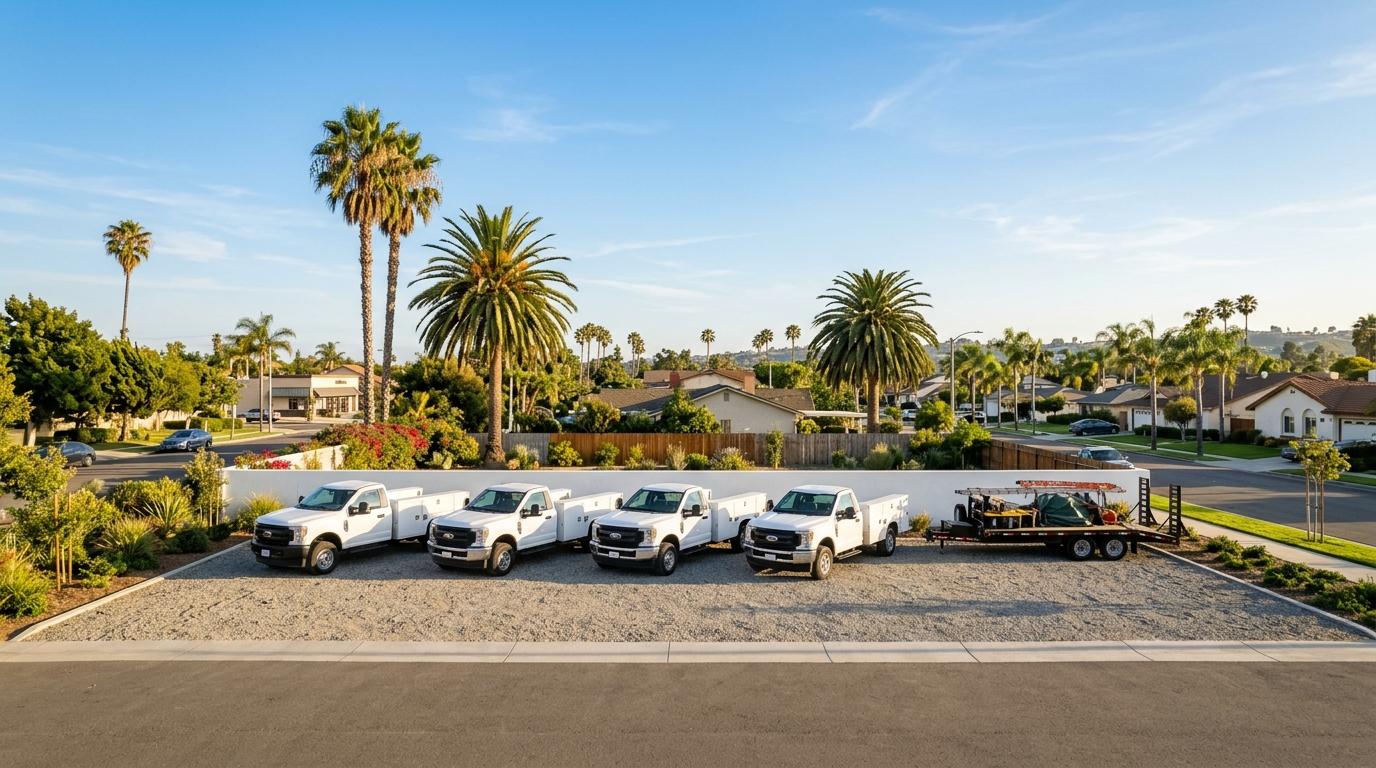
If your business depends on trucks, vans or trailers, your vehicles are both your biggest tools and one of your largest liability exposures. A personal auto policy is generally not built for business use, which is why commercial vehicle fleet insurance California operators look at is a different product altogether.
Why personal auto often falls short
Personal policies are written for personal driving. Business use, such as hauling tools, making deliveries or carrying materials, can be excluded or limited. If a vehicle owned by the business is involved in a crash while someone is on the job, a personal policy may not respond the way you expect. Reading exclusions carefully, and asking before you drive, is a good habit.
What commercial auto typically covers
Commercial auto policies generally include some combination of:
- Liability: if your driver is at fault for injuries or property damage to others.
- Physical damage: collision and comprehensive coverage for your own vehicles.
- Uninsured or underinsured motorist: protection if the other driver lacks adequate coverage.
- Medical payments: help with medical costs for occupants, depending on the form.
Carriers such as National General and biBerk offer commercial auto coverage for work trucks, trailers and employee drivers. What is available depends on the carrier, the industry, the vehicles and the applicant.
Trailers and equipment
Many trades pull trailers or carry expensive tools. Trailers can often be added to a commercial auto policy, but coverage for the contents is usually separate. Tools and equipment may need an inland marine or similar policy, so ask how each item is treated.
Employee drivers and underwriting
Underwriters usually pay close attention to who is behind the wheel. They may ask about:
- Names and license details for each driver.
- Driving records and years of experience.
- Whether drivers are employees, subcontractors or owner-operators.
- How far and how often vehicles travel.
Having a simple driver policy in writing, such as how you screen drivers and when vehicles may be used, can help present your operation clearly. Employment rules are legal matters, so consider consulting your attorney on those.
Managing road risk day to day
Insurance is only part of the answer. Habits that often help include:
- Regular vehicle maintenance, with records.
- Clear rules about phone use and seat belts.
- Prompt reporting of any accident or near-miss.
- Photos and notes after any incident.
- Periodic review of who drives which vehicle.
Good habits do not guarantee any particular outcome, but they support a stronger conversation at renewal.
Matching coverage to how you really operate
A single van is not the same as a ten-truck fleet. Limits, deductibles and vehicle lists should reflect your actual operation, including seasonal changes when you add vehicles or drivers. We recommend a periodic check so the policy does not fall behind the business.
Seasonal or growing businesses should also think about how changes get reported. Adding a truck, hiring a new driver or taking on out-of-area work can change underwriting, and your policy may require you to notify the carrier. A brief monthly check of vehicles and drivers against the policy list is a small task that can save headaches. If you hire vehicles from others or use employees' personal cars for errands, mention it, since those situations are handled differently from owned vehicles and are often misunderstood.
Talk it through with a local agent
We start by listening to how your vehicles are used, tailor a plan across our appointed carriers, and stand by you if a claim arises. Request a free, no-pressure review through our contact page or visit our Midway City office. This article is general information, not legal, tax or financial advice, and availability, eligibility, discounts and pricing vary by carrier, property and applicant.
Educational information, not advice
This article is general educational information, not insurance, tax, legal or investment advice, and it is not an offer of coverage. Coverage, benefits, rates and eligibility depend on the policy terms, underwriting and carrier approval, and no coverage is in force until confirmed in writing by the carrier. Ben Van Cat is a licensed California Insurance Producer, License #0J13438. See our disclosures.