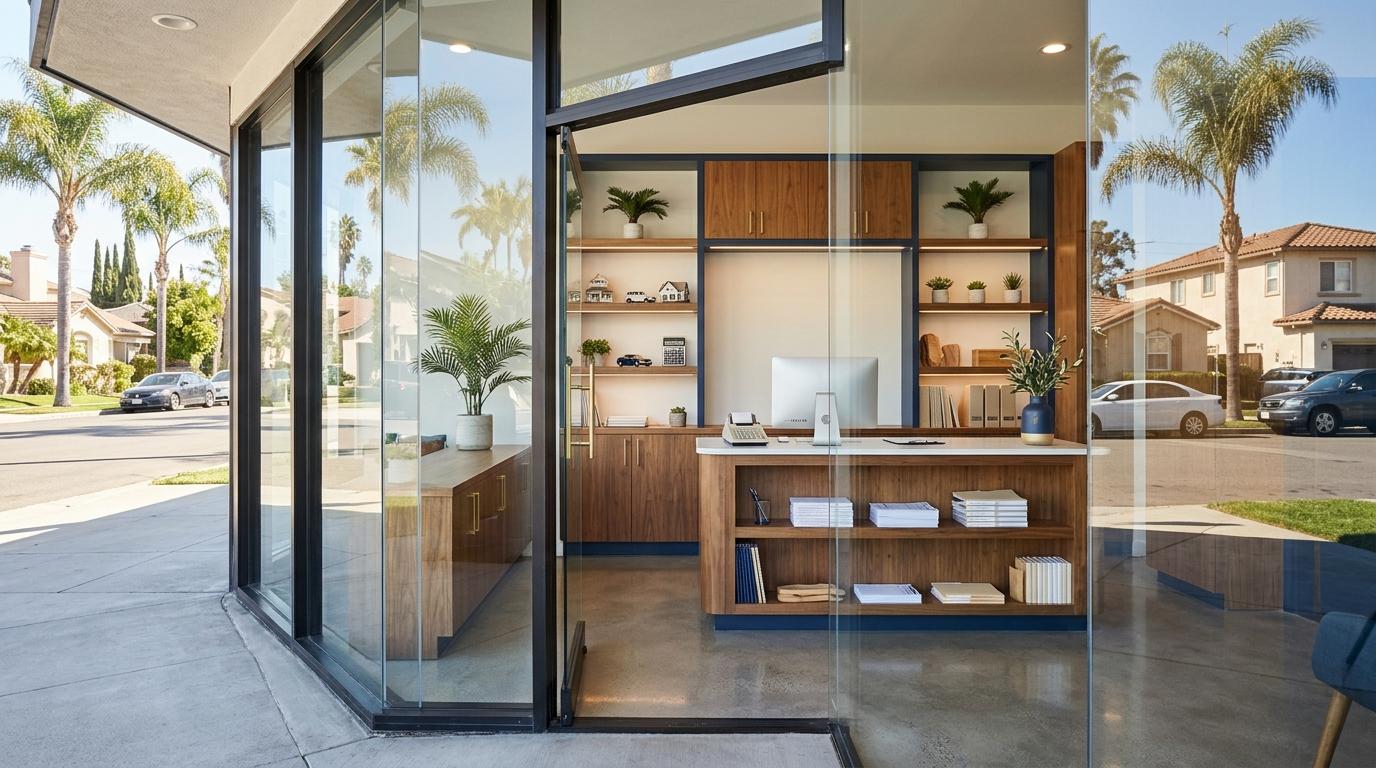
You signed the lease, hired a contractor, and turned an empty shell into a store, salon, office or cafe that looks the way you imagined. Then someone asks a question that is easy to overlook: who is insuring all of that work? For many commercial tenants, the answer is less obvious than it sounds, and it is worth sorting out before a loss happens.
What "tenant improvements and betterments" actually means
In everyday terms, tenant improvements and betterments are the changes made to a leased space to suit your business. Think interior walls, flooring, lighting, built-in counters, shelving, signage, a new restroom or a kitchen build-out. When the landlord approves these alterations and they become part of the structure, they are often called landlord-approved structural alterations.
Why does this matter for insurance? Because the landlord's policy usually covers the building itself, not necessarily the money you put into it. If a fire or water leak damages your build-out, the cost of rebuilding it may land on you unless your own policy responds.
Where the coverage typically lives
Many small and mid-sized tenants use a Business Owner's Policy (BOP), which commonly bundles commercial property coverage with general liability. Depending on the carrier and the policy wording, the property portion can often be set up to include tenant improvements and betterments, along with your inventory, equipment and fixtures.
Commercial General Liability (CGL) works differently. It is designed to respond when your business is legally responsible for injury to others or damage to their property. Your landlord may also require liability limits and, in many leases, to be named as an additional insured.
In short, the property side protects what you built, and the liability side protects you if something goes wrong for someone else. A good commercial lease insurance plan in California usually considers both.
What to look for in your lease
Leases differ, and the insurance language can be dense. Before you finalize your coverage, read for these points:
- Who owns the improvements. Some leases say alterations belong to the landlord once installed, while others allow you to remove certain items at the end of the term.
- Who must insure them. Many leases require the tenant to carry property coverage on improvements, even when the landlord owns them.
- Required liability limits. The lease may set minimum limits that your policy needs to meet.
- Additional insured and certificate requirements. Landlords often ask for a certificate of insurance naming them before you can open.
- Waiver of subrogation. Some leases ask you to waive the insurer's right to pursue another party after a loss, which your policy may need to allow.
If anything in that list is unfamiliar, that is normal. It is exactly the kind of detail worth reviewing with someone who reads these documents regularly.
Common gaps tenants run into
- Treating the build-out like inventory. Improvements are not the same as stock on the shelf, and the limit you choose should reflect what you actually spent.
- Assuming the landlord's policy covers it. It may not extend to your investment in the space.
- Outdated limits after a remodel. If you expand or upgrade later, your coverage should be updated to match.
- Overlooking business income. If a covered loss closes your doors for a time, income protection can matter as much as the repairs, depending on the coverage selected.
None of these are difficult to fix once you know to look for them.
How we help
As an independent agency appointed with 12+ carriers, we can compare options that suit a leased space instead of pushing one product. Our process begins with listening: we read your lease, ask about your build-out and plans, then tailor coverage to fit. If the landlord needs a certificate, we can help you understand what is being requested.
Review your lease with us
If you are about to sign a lease, or you are already in your space and unsure what your policy covers, we would be glad to help. Reach out through our Lease Review Consultation request for a free, no-pressure review at our Midway City office in Orange County. Bring your lease and your current policy if you have one, and we will walk through it together in plain English.
This article is general information, not legal, tax or financial advice, and availability, eligibility, discounts and pricing vary by carrier, property and applicant.
Educational information, not advice
This article is general educational information, not insurance, tax, legal or investment advice, and it is not an offer of coverage. Coverage, benefits, rates and eligibility depend on the policy terms, underwriting and carrier approval, and no coverage is in force until confirmed in writing by the carrier. Ben Van Cat is a licensed California Insurance Producer, License #0J13438. See our disclosures.