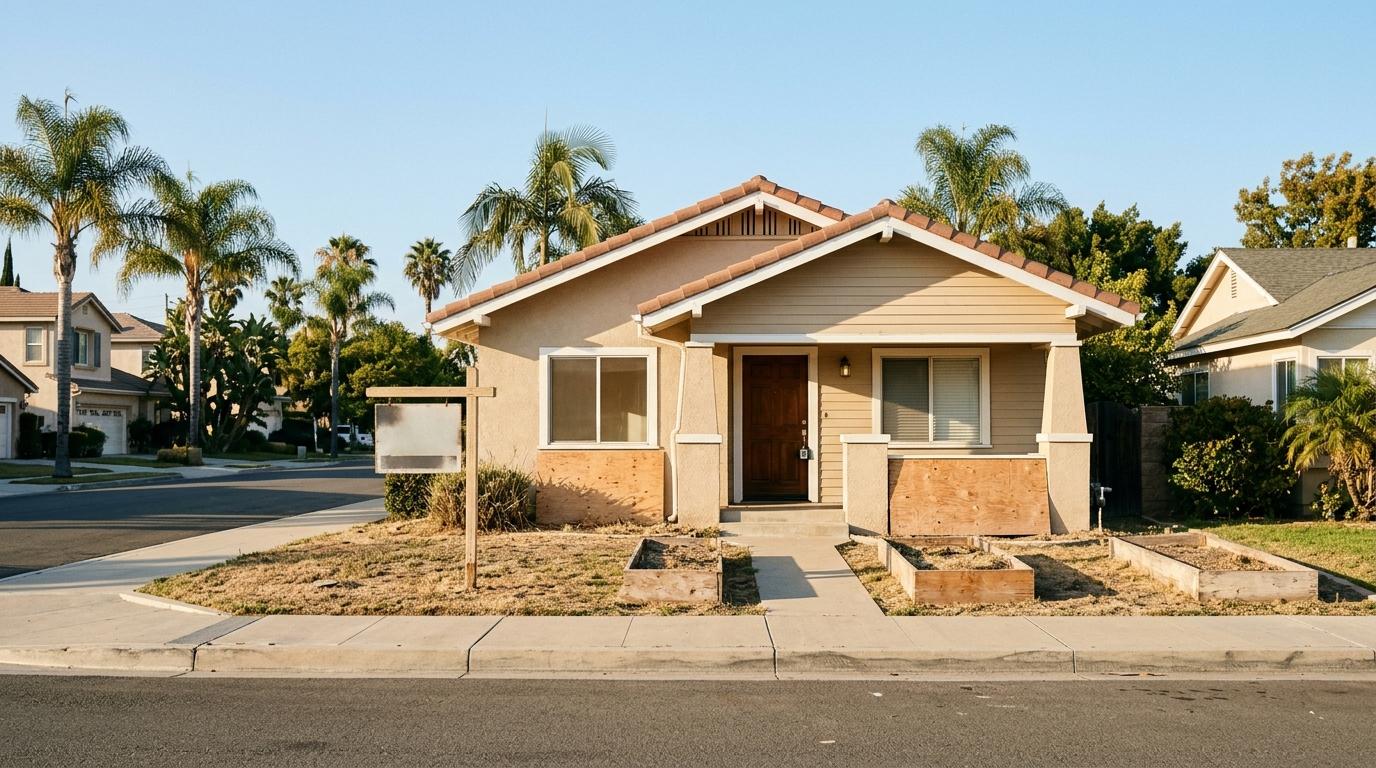
A vacant house is not just an empty house in the eyes of an insurance company. It is a property with a different risk profile, and the rules that apply can change the moment the last occupant moves out. If you buy distressed homes or lend against them, understanding vacant home insurance California basics can help you avoid unpleasant surprises.
Why vacancy changes the picture
Standard homeowner policies are written with occupancy in mind. When a home sits empty, carriers often reduce or exclude certain coverages after a set period, commonly for losses such as vandalism or water damage. The exact definitions of vacant and unoccupied, and the time limits, depend on the carrier and policy form, so reading the wording matters.
A related term, unoccupancy penalties, refers to these reductions or exclusions that can apply when a home is not lived in as expected.
Foreclosure purchases and special endorsements
Buying a home at auction or from a lender often means taking over a property that has been empty for some time. Some programs offer a foreclosure purchase endorsement or similar option intended for this situation. These can help bridge the gap between closing and the day the home is renovated, sold or occupied.
Ask your agent:
- Is the endorsement available for this carrier and property?
- What conditions or documentation does it require?
- How long does the arrangement last?
- What changes if the property is later rented or renovated?
Availability, eligibility and pricing vary by carrier, property and applicant.
Securing a vacant dwelling
Insurers care about how a vacant property is cared for. Practical steps often recommended include:
- Change or rekey the locks right after closing.
- Secure windows, garages and side gates.
- Keep the yard maintained so the home does not look abandoned.
- Forward mail and clear any pile of flyers.
- Check the property on a regular schedule and keep a simple log.
- Photograph the condition of the home at purchase and at each visit.
Consider also whether utilities should stay on, since many carriers prefer that heat, power or water protections be maintained where appropriate.
Plan for the timeline
Most vacancy problems come from timelines that stretch longer than expected. A permit delay, a slow contractor or a listing that lingers can turn a short vacancy into a long one. If your timeline changes, let your agent know. Many issues are easier to address while the policy is active than after a claim.
If you are a lender or servicer protecting a collateral property, the same logic applies. Clear communication about occupancy status and who is responsible for maintenance can help keep coverage aligned with reality.
Documentation deserves special attention with distressed properties. Save the closing statement, any trustee's deed or lender paperwork, inspection reports and your first set of photographs. If a loss happens, those records help show the condition of the home when you took it over, which can matter when an adjuster reviews the claim. Also remember that a home with a damaged roof, missing windows or a broken pool enclosure may raise additional liability concerns, so it is worth tackling safety hazards early and telling your agent what you find on the first walk-through.
Compare your options before closing day
Because foreclosure and vacant dwellings are specialized, it helps to start the conversation before you close. We listen to your plan for the property, tailor coverage options across our appointed carriers, and stand by you if something happens. Request a free, no-pressure review through our contact page or visit our Midway City office. This article is general information, not legal, tax or financial advice, and availability, eligibility, discounts and pricing vary by carrier, property and applicant.
Educational information, not advice
This article is general educational information, not insurance, tax, legal or investment advice, and it is not an offer of coverage. Coverage, benefits, rates and eligibility depend on the policy terms, underwriting and carrier approval, and no coverage is in force until confirmed in writing by the carrier. Ben Van Cat is a licensed California Insurance Producer, License #0J13438. See our disclosures.